
Analysis of vibration isolation damper types: comparative advantages of variable damping and air floating
Vibration isolation dampers are divided into two major categories based on their technical approaches: variable damping type and air floating type. The former adapts to different loads by adjusting the damping ratio, while the latter utilizes air floating technology to achieve ultra-low frequency vibration isolation.
The LeadTop variable damping vibration isolation mount ZDT-J series adopts a dual-chamber structure, with damping hole adjustment to stabilize the natural frequency at 4.5-7Hz, making it suitable for precision instruments that require frequent adjustments.
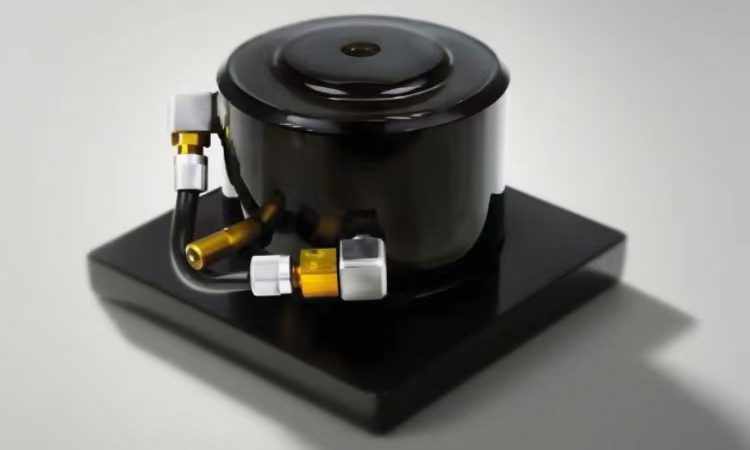
The ZDT-Z series of large damping air-bearing vibration isolators, through multi-orifice quasi-laminar flow damping, reduces the vertical natural frequency to 1.0-2.5Hz, meeting the requirements of ultra-quiet environments such as microscopes.
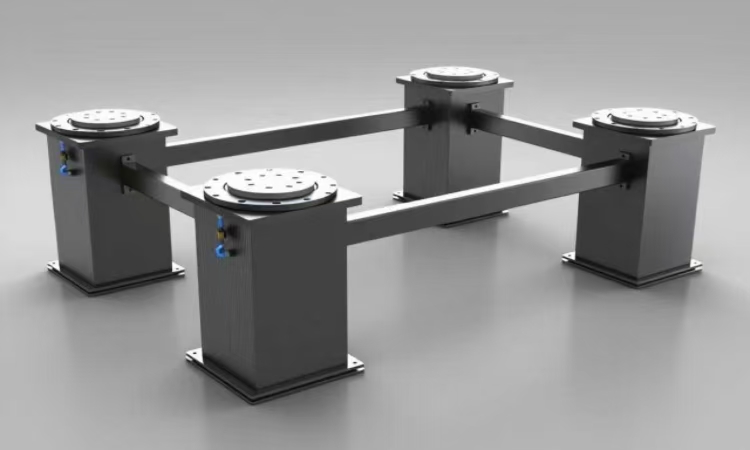
Detailed explanation of the performance parameters of vibration isolation dampers: how to quantitatively evaluate the vibration isolation effect
When evaluating a damper, three key indicators should be considered: natural frequency (the lower, the better for vibration isolation), damping ratio (affecting the resonance peak), and load capacity range (determining the applicable equipment).
For example, the ZDT-J series can support loads ranging from 20 to 950kg per unit, covering the needs of everything from lightweight lasers to heavy-duty lithography machines. The ZDT-Z series achieves a vibration isolation efficiency of 86% at 5Hz with a recovery time of less than 2s, making it suitable for three-coordinate machines that are extremely sensitive to vibration.
LeadTop ensures that the parameters meet the standards through rigorous testing, providing users with reliable data support.
Installation and maintenance of vibration isolation dampers: Balancing convenience and long-term stability
Modern damper design emphasizes "plug and play". The ZDT-J series base plate is equipped with anti-slip rubber pads, allowing for movement without fixation, simplifying the layout of laboratory equipment. The ZDT-Z series features automatic leveling function, reducing the cost of manual debugging.
Daily maintenance only requires regular checks on air tightness and damper adjustment status. LeadTop provides full lifecycle services, from selection consultation to after-sales support, ensuring long-term stable operation of the damper.
The technological evolution of vibration isolation dampers is moving towards "more precise, more flexible, and more user-friendly" directions. Both LeadTop's ZDT-J series dynamic adjustment capabilities and ZDT-Z series ultra-low frequency vibration isolation performance reflect the deep integration of material science and engineering design. Users can choose the most suitable solution based on equipment characteristics and scene requirements, achieving "tailored" vibration control.


