Mechanical vibration isolation platforms are essential tools for maintaining stability in environments where precision is paramount. These systems shield sensitive equipment—such as atomic force microscopes, laser interferometers, and semiconductor fabrication tools—from disruptive vibrations caused by nearby machinery, foot traffic, or even subtle seismic activity. By isolating devices from external oscillations, they ensure consistent performance, minimize measurement errors, and extend equipment lifespan. Their applications span scientific research, medical diagnostics, and advanced manufacturing, where even nanometer-scale movements can compromise results.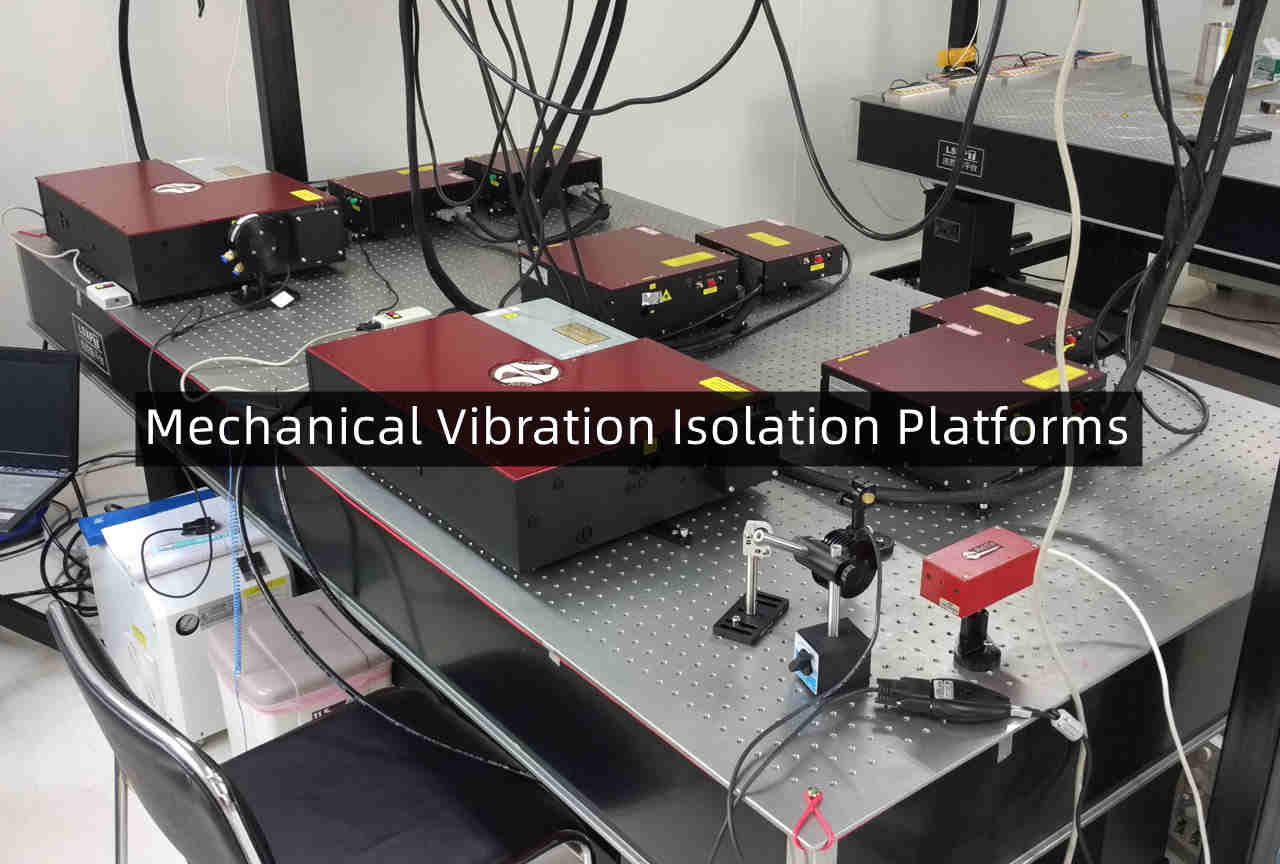
The core functionality of these platforms relies on advanced damping mechanisms. Passive systems use elastomeric materials or spring arrays to absorb low-frequency vibrations, while active systems employ feedback loops and actuators to counteract disturbances in real time. Hybrid designs, merging both approaches, offer broad-spectrum protection against vibrations across multiple frequencies. LeadTop, a trusted name in vibration control solutions, has developed platforms that combine passive resilience with active adaptability, providing engineers with scalable options for diverse payloads without sacrificing stability.
Industries benefit from these platforms in distinct ways. In optical research, they stabilize interferometers during ultra-precise wavelength measurements. In semiconductor labs, they reduce particle contamination risks by minimizing equipment vibrations. Medical facilities use them to isolate MRI scanners from building oscillations, ensuring clear imaging. LeadTop’s user-centric design philosophy emphasizes seamless integration, with modular configurations that fit into existing workflows and require minimal calibration. This approach reduces installation time and operational disruptions, a key advantage for time-sensitive projects.
Future advancements aim to address evolving challenges. Researchers are exploring smart materials that autonomously adjust damping properties based on environmental conditions, while AI-powered systems could predict and preempt vibration patterns. Sustainability is also a focus, with manufacturers prioritizing recyclable components and energy-efficient actuators. As industries demand higher precision, vibration isolation platforms will remain indispensable—bridging the gap between theoretical performance limits and real-world engineering constraints.


