Introduction to Neoprene Pad Vibration Isolation
Neoprene pad vibration isolation is a proven method to reduce mechanical vibrations and noise in industrial, commercial, and residential environments. Made from synthetic rubber, these pads act as buffers between vibrating machinery and foundations, absorbing and dissipating energy to prevent transmission. This enhances equipment lifespan and minimizes environmental noise, making them suitable for HVAC systems, generators, appliances, and precision instruments.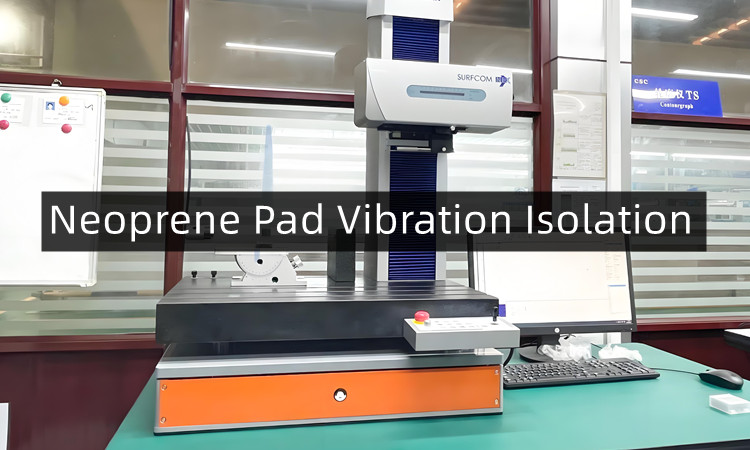
How Neoprene Pads Work
Neoprene’s molecular structure provides elasticity, durability, and resistance to oils, chemicals, and temperature changes. When compressed under vibrating equipment, the pads convert kinetic energy into heat through internal friction, reducing vibration amplitude. Their low stiffness-to-weight ratio isolates low-frequency vibrations effectively, while adapting to uneven surfaces for consistent performance under dynamic loads.
LeadTop’s POT-X Series: Advanced Creep-Resistant Solid Rubber Vibration Pads
LeadTop’s POT-X series features proprietary composite rubber with polyester fibers and graphite for superior creep resistance and structural integrity. Available in mesh or solid designs, these pads can be stacked to reduce natural frequencies. Designed for medium-to-high frequency machinery, they excel in horizontal isolation and foundation support. Key metrics: vertical frequencies 6.5–16 Hz, horizontal 2–8 Hz, damping ratios 0.05–0.2, with only 21.5% creep over one year (35.6% over 10 years) and a 12+ year lifespan.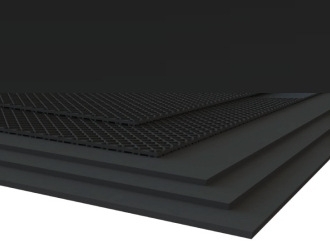
Advantages and Applications
Neoprene pads are cost-effective, easy to install, and require minimal maintenance, needing no external power or adjustments. They protect industrial equipment from vibration damage and reduce noise in buildings. For example, placing pads under washing machines or compressors cuts vibration transmission to floors, improving comfort. Their corrosion resistance ensures durability in humid or outdoor settings.
Conclusion
Neoprene pad vibration isolation provides a reliable, eco-friendly solution for managing vibrations and noise. By leveraging material properties, these pads outperform traditional methods in energy dissipation and adaptability. As regulations tighten and sustainability demands grow, innovations like LeadTop’s POT-X series will set new standards in performance and durability, ensuring optimal efficiency and environmental quality.


