What is a Passive Vibration Isolation Optical Platform?
A passive vibration isolation optical platform is a specialized device designed for high-precision experimental scenarios. Its core function is to actively counteract environmental vibrations affecting the experimental platform through physical structural design.

Through innovative designs incorporating built-in damping structures, elastic components, or pendulum systems, this platform actively “absorbs” vibration energy without requiring external power. It creates an “invisible damping layer” between precision instruments and vibration sources. Its core value lies in achieving full-frequency vibration isolation at low cost and with minimal maintenance, providing stable support for high-precision experiments.
Technical Classification of Passive Vibration-Isolated Optical Platforms
As an innovator in vibration-isolated optical platforms, LeadTop develops differentiated technical solutions for diverse scenarios:
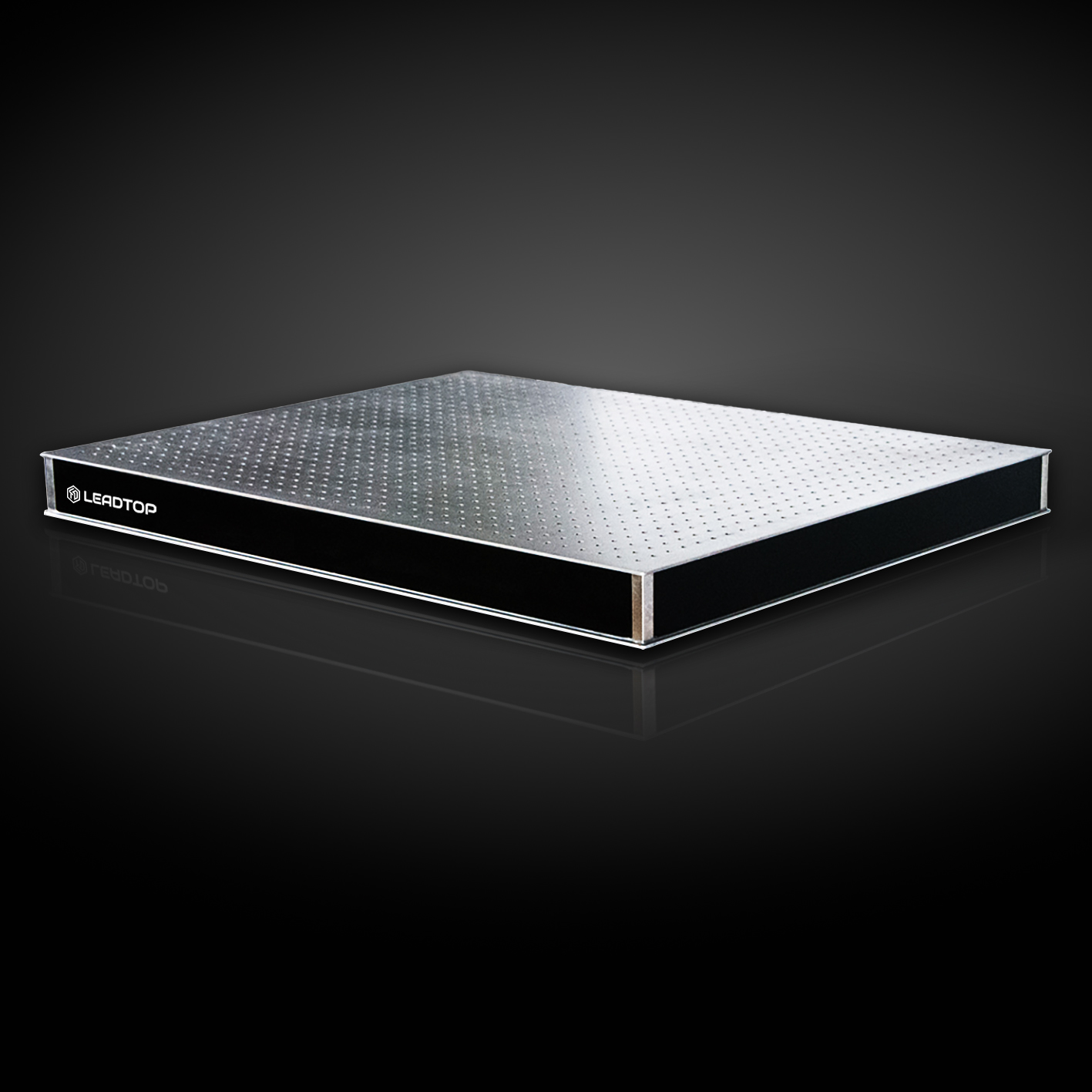
Honeycomb Core Structure (MOT-F Series Honeycomb Core Optical Platform): Incorporating broadband damping structures and honeycomb core design to effectively suppress surface resonance. Features planarity with equidistant arrays, surface roughness <2μm/m², and deformation range of 0.05-0.1mm/m². Ideal for optical experiments, precision inspection, and other applications demanding high stability.
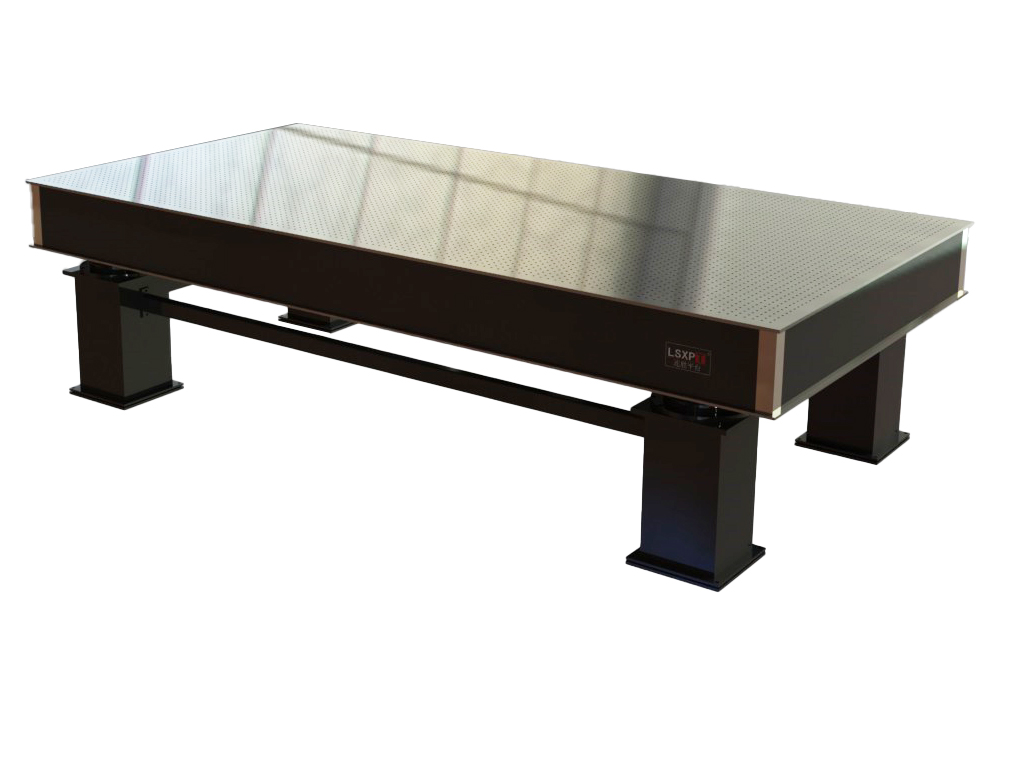
Air-Bearing Pendulum + Single-Pendulum System (Air-Bearing Pendulum Isolation Optical Platform ZDT-B Series): Utilizes air springs to support the platform surface, combined with the single-pendulum effect of a horizontal pendulum to reduce the horizontal natural frequency to 1.0–1.5Hz. Achieves 99% isolation efficiency in the 5–10Hz frequency band, meeting vibration protection requirements for ultra-precision equipment like laser interferometers and lithography machines.
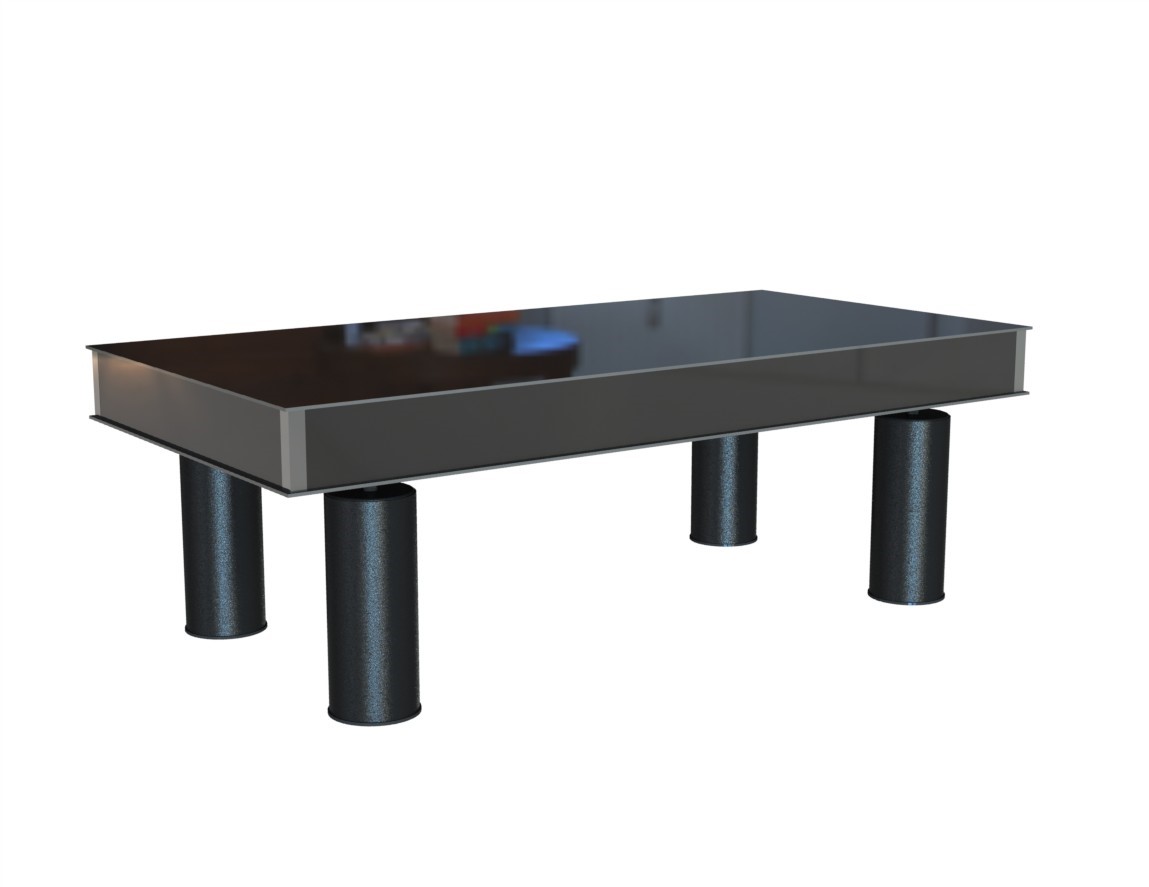
Hollow Cone Rubber Array (Hollow Cone Isolation Optical Platform POT-G Series): Achieves isolation through elastic deformation of hollow conical rubber units, offering performance comparable to air-bearing platforms at a lower cost. Vertical/horizontal natural frequencies range from 4.0 to 8.0 Hz, making it suitable for mid-to-high frequency vibration-sensitive applications like laser scanning confocal microscopy and holographic imaging.
Performance Metrics for Passive Vibration Isolation Optical Platforms
Passive isolation platform performance requires comprehensive evaluation across multiple dimensions. LeadTop products center on the core design philosophy of “ultra-stability + ease of use”:
Selection Strategy for Passive Vibration Isolation Optical Platforms
Select passive isolation platforms based on the vibration spectrum characteristics of the experimental environment. For instance, if environmental vibrations predominantly occur at low frequencies , such as near major traffic arteries, prioritize the ZDT-B series air-bearing platforms. If vibration sources include mid-to-high frequency components, like air conditioning units, the POT-G series offers better cost-effectiveness with its natural frequency range of 4.0-8.0Hz.
Through structural innovation and scenario-specific design, LeadTop has expanded the applicability of passive vibration isolation beyond traditional optical experiments into cutting-edge fields like quantum computing and gravitational wave detection. Future integration of intelligent leveling algorithms with novel damping materials will drive new breakthroughs in both performance and usability for passive isolation platforms.


