Rubber vibration isolator mounts are essential components designed to mitigate mechanical vibrations across industries. By absorbing and dissipating kinetic energy, these mounts protect sensitive equipment from shocks and noise while enhancing operational stability. Their versatility spans automotive, aerospace, and industrial sectors, where precision and durability are paramount. LeadTop, a leading supplier of vibration control solutions, offers a range of high-performance isolators tailored to diverse engineering challenges.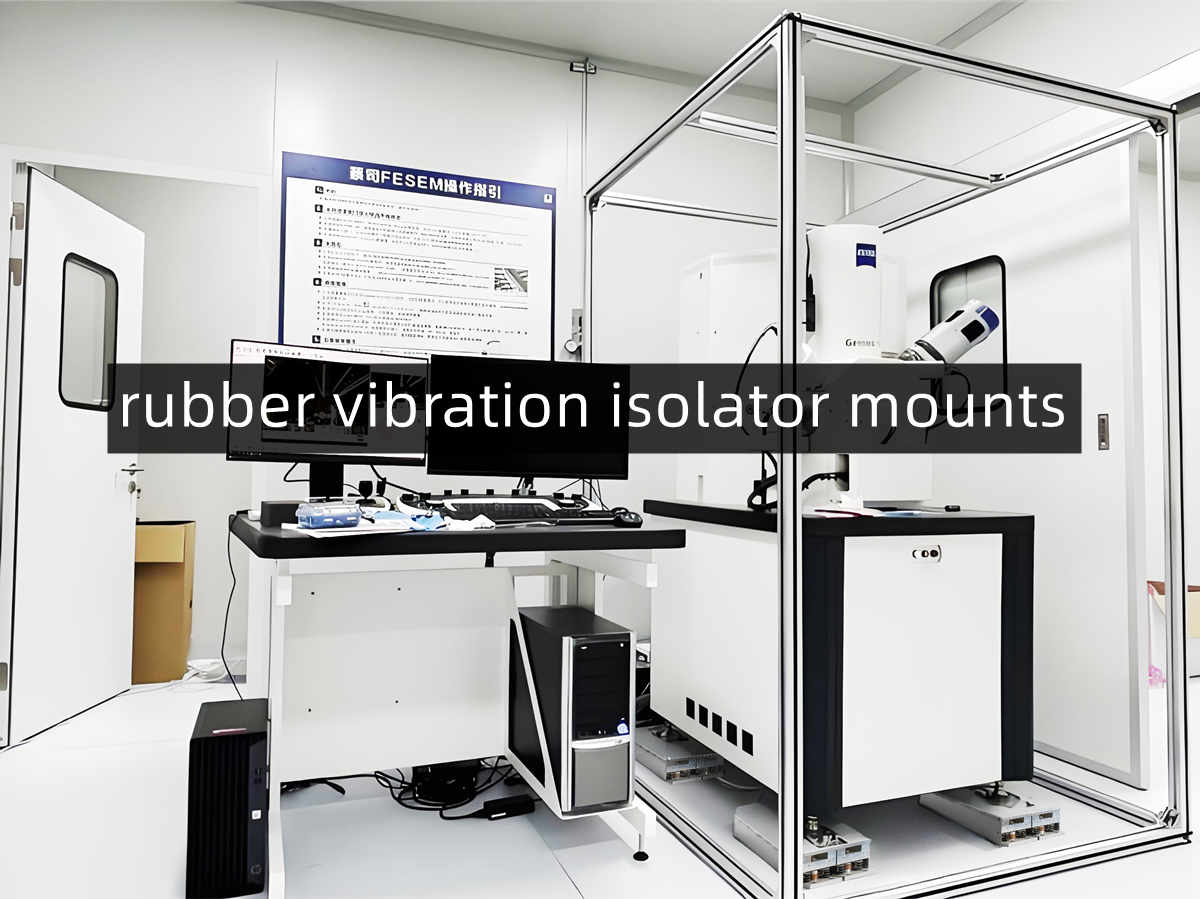
Material Science and Design Principles
The effectiveness of rubber isolators hinges on material properties such as elasticity, damping capacity, and fatigue resistance. Modern designs incorporate synthetic elastomers with customized durometers to optimize performance under specific loads and frequencies. For instance, LeadTop’s products utilize advanced rubber compounds that maintain stability in extreme temperatures and corrosive environments, ensuring long-term reliability without compromising isolation efficiency.
Applications Across Industries
In automotive systems, rubber mounts reduce engine vibrations transmitted to chassis components. In industrial machinery, they protect precision instruments from resonant frequencies. Aerospace applications rely on their lightweight yet robust construction to withstand turbulent conditions. LeadTop’s solutions are particularly valued in sectors requiring stringent vibration control, such as semiconductor manufacturing and optical research, where even micrometer-level disturbances can disrupt operations.
Selection Criteria for Optimal Performance
Choosing the right isolator involves evaluating load capacity, natural frequency, and environmental compatibility. Overloading can lead to material fatigue, while improper frequency matching may amplify vibrations. LeadTop’s engineering team provides customized assessments, ensuring each mount balances stiffness and damping to isolate targeted disturbances. This approach minimizes maintenance costs and extends equipment lifespan.
Conclusion
Rubber vibration isolator mounts remain indispensable in modern engineering, offering cost-effective solutions for vibration management. As industries demand higher precision, innovations in material science and adaptive design will continue to drive their evolution. LeadTop’s commitment to research and development positions it as a trusted partner in achieving superior vibration control across global markets.


