Vibration isolator pads play a pivotal role in mitigating mechanical vibrations across diverse environments. These specialized components, often made from rubber or composite materials, act as intermediaries between machinery and their foundations. By absorbing kinetic energy and reducing resonance, they protect equipment from wear while minimizing noise pollution. Industries such as manufacturing, construction, and healthcare rely on these pads to ensure precision instruments operate smoothly. For example, in laboratories, isolator pads prevent vibrations from disrupting sensitive optical equipment. LeadTop, a renowned manufacturer of vibration control solutions, provides high-quality isolator pads that combine durability with adaptability, catering to both heavy-duty industrial needs and residential applications.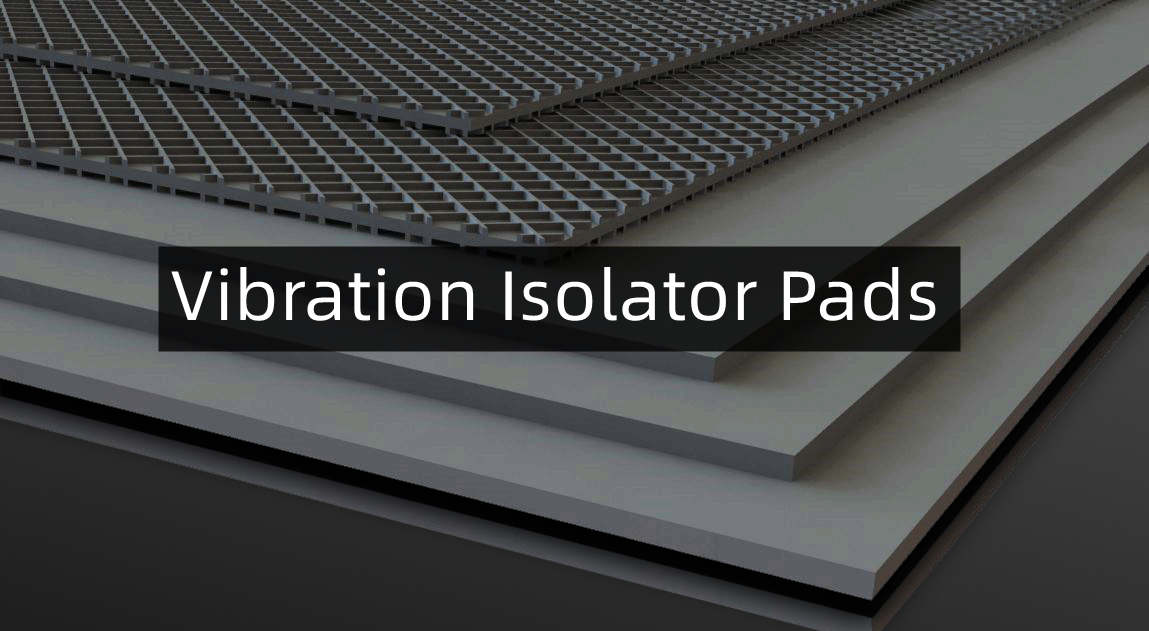
The design of vibration isolator pads emphasizes material science and structural innovation. Modern pads often incorporate layered composites or cellular structures to optimize energy absorption without compromising load-bearing capacity. Rubber-based pads, for instance, offer flexibility for low-frequency vibrations, while neoprene variants resist oils and chemicals. LeadTop’s proprietary rubber formulations, enhanced with polyester fibers and graphite, deliver superior resistance to creep and aging. This ensures long-term stability, even under heavy loads or dynamic conditions. Their modular design allows single-layer or multi-layer configurations, enabling customization for specific frequency ranges. Such versatility makes them ideal for isolating foundations, HVAC systems, or large machinery in industrial settings.
Beyond performance, vibration isolator pads contribute to sustainability and cost efficiency. By reducing equipment wear, they extend service life and lower maintenance costs. Noise reduction also improves workplace safety and compliance with environmental regulations. LeadTop’s products align with eco-friendly practices, using recycled materials and energy-efficient manufacturing processes. Their isolator pads, designed for durability, minimize waste and resource consumption over time. Whether in smart factories or green buildings, these solutions support sustainable development while ensuring operational reliability.


