A damper is a core component that suppresses mechanical vibrations through controlled energy dissipation. Its fundamental principle involves converting vibrational kinetic energy into thermal energy or other low-intensity forms via mechanisms such as material deformation, fluid friction, or electromagnetic effects. By adjusting damping coefficients and response speeds, dampers serve as a key technology in modern engineering for balancing stability and comfort.

Typical Application Case: Precision Protection Practices of LeadTop Damping Isolation Systems
Take LeadTop's ZDT-B Series pendulum-type air-bearing isolators as an example. These utilize ultra-thin composite airbags and a single-pendulum principle structure, with an external adjustable damper to reduce resonance risks. Based on the single-pendulum principle, they achieve lower horizontal natural frequencies. Suitable for equipment with extremely high vibration requirements, such as microscopes and laser interferometers, they meet high-precision isolation demands.
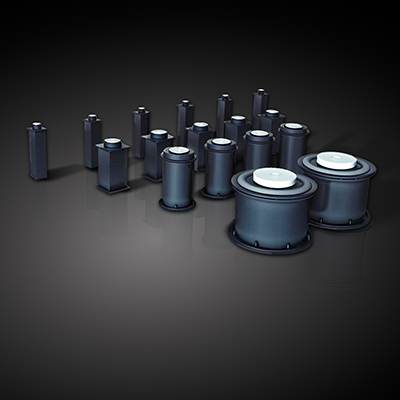
From fundamental principles to cutting-edge applications, dampers have become indispensable “vibration stewards” in modern industry. Companies like LeadTop continuously push the boundaries of damping technology through innovation, delivering more efficient and intelligent vibration solutions across all domains—from microscopic chip manufacturing to macro-scale infrastructure projects.


