Table of contents:
The Critical Role of Vibration Isolation Optical Tables in Nanotechnology
Pushing the Limits of Precision with Cutting-Edge Isolation Techniques
Comparing Pneumatic and Spring Vibration Isolators for Nanoscale Applications
Customizing Vibration Isolation Equipment for Specialized Nano-Research
At the heart of many nanotechnology laboratories lies the vibration isolation optical table, a cornerstone of precision experimentation. These specialized tables are engineered to dampen external vibrations, creating a stable platform for nanoscale observations and manipulations. By incorporating advanced materials and innovative design principles, these tables effectively shield sensitive instruments from the constant barrage of environmental disturbances. Researchers looking to buy wholesale isolators for their labs often prioritize these tables as essential equipment. The integration of vibration control solutions in optical tables has enabled scientists to achieve unprecedented levels of accuracy in their measurements, paving the way for discoveries that were once thought impossible.
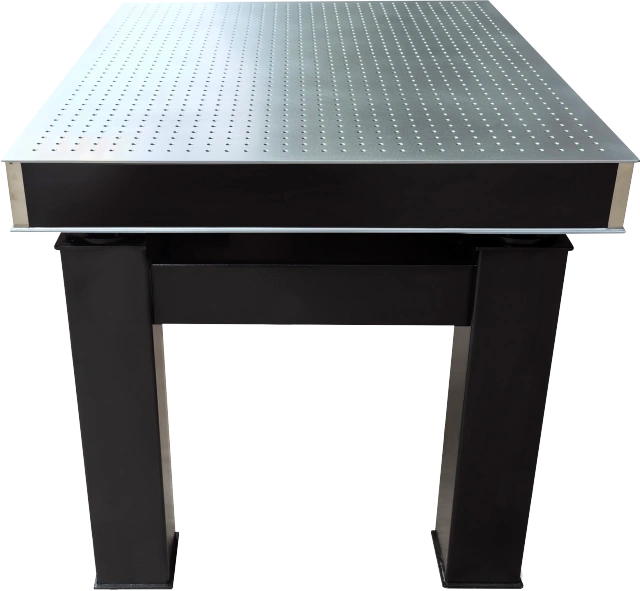
As the field of nanotechnology advances, so too do the vibration control solutions that support it. Modern isolation techniques go beyond passive dampening, incorporating active feedback systems that can detect and counteract vibrations in real-time. These sophisticated setups use sensors and actuators to create a dynamic barrier against external disturbances, ensuring that even the most sensitive experiments can proceed unhindered. Institutions looking to buy wholesale isolators are increasingly turning to these advanced systems to stay at the forefront of research capabilities. The ongoing development of such vibration control solutions is crucial in enabling scientists to explore quantum phenomena, develop next-generation electronics, and engineer materials at the atomic level.
When it comes to vibration control solutions, researchers must carefully consider the choice between pneumatic and spring-based isolators. Each system offers unique advantages for different nanoscale applications. Pneumatic isolators, which use compressed air to absorb vibrations, are highly effective at low frequencies and can be easily adjusted to accommodate varying loads. On the other hand, spring isolators provide consistent performance without the need for air supply and are often more compact. Labs that buy wholesale isolators often stock both types to cater to diverse experimental needs. The decision between pneumatic and spring systems depends on factors such as the specific frequency range of concern, the weight of the equipment, and the overall laboratory environment.
The diverse nature of nanoscale research often requires tailored vibration control solutions. Customization has become a key factor for institutions looking to buy wholesale isolators, as off-the-shelf products may not always meet the exacting requirements of cutting-edge experiments. Specialized isolation systems can be designed to address unique challenges, such as ultra-low frequency vibrations or the need for compatibility with high magnetic fields. By working closely with manufacturers, researchers can develop bespoke vibration control solutions that optimize their experimental setups. This collaborative approach ensures that even the most demanding nanoscale investigations can be conducted with the highest level of precision and reliability.
The realm of nanoscale research continues to expand, driven by advancements in vibration control technologies. From state-of-the-art optical tables to customized isolation systems, these solutions are essential for unlocking the secrets of the nanoworld. As scientists push the boundaries of what's possible at the atomic level, the demand for increasingly sophisticated vibration control solutions grows. By investing in high-quality isolators and staying abreast of the latest developments in vibration management, research institutions can maintain their competitive edge in the fast-paced field of nanotechnology. The future of nanoscale discoveries is intrinsically linked to our ability to create ever more stable and vibration-free environments for groundbreaking experiments.


