


01
High-density honeycomb core
The core supports a stiff panel construction intended to reduce surface resonance while keeping the table suitable for optical mounting work.
Stable surfaces for demanding optical work
The GZT Series gives laboratories a rigid, configurable base for mounting optical benches, microscope stages and precision equipment. For teams comparing a rigid optical table manufacturer or an optical table supplier, the key question is how the structure, working surface and installation choices fit the experiment.
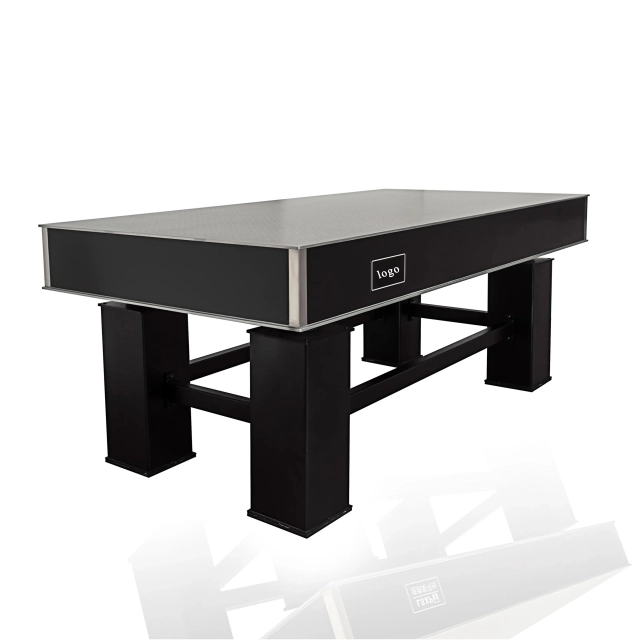
Stability stack
GZT is easier to evaluate when the table is read as a complete support system rather than as a heavy flat surface.
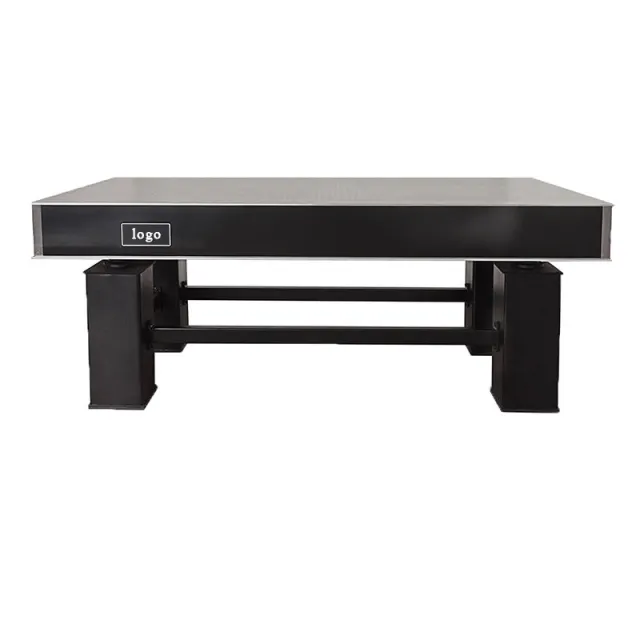
The core supports a stiff panel construction intended to reduce surface resonance while keeping the table suitable for optical mounting work.
The steel frame gives the work surface a defined base for laboratories that need stable equipment placement and repeatable alignment.
A sealed top keeps the working surface easy to manage around optical components, benches and microscope-stage arrangements.
Manual leveling supports height adjustment, while optional castors can be discussed when the laboratory layout requires controlled repositioning.
Measurable fit
Use the figures below to frame the technical conversation, then confirm size, configuration and installation conditions with the sales team.
| Vertical inherent frequency | 6.5–12 Hz |
|---|---|
| Horizontal inherent frequency | 3.0–8.0 Hz |
| Vibration isolation efficiency | Approximately 82–95% |
| Re-leveling accuracy | ±0.1 mm |
| Table flatness | ≤0.05 mm/m² |
| Surface roughness | ≤0.8 μm |
| Tapped holes | M6 on a 25 mm grid |
| Total table height | 800 mm |
| Working air pressure | 0.2–0.4 MPa |
| Silent compressor noise | Below 50 dB |
Use the rigid base when a microscope stage, sample area and optical accessories need a defined mechanical reference.
Arrange optical benches and components on a clean, leveled surface where layout stability matters to the working setup.
Support measurement and calibration work that benefits from a consistent table surface and repeatable mounting grid.
Use the platform for long-distance light-targeting experiments and other optical-device work within the stated performance boundary.
Configuration checkpoint
A focused inquiry helps the supplier match the table to the laboratory rather than treating every installation as the same.
Share the equipment footprint, optical bench arrangement and access space around the table.
Confirm that M6 tapped holes on a 25 mm grid suit the fixtures and accessories planned for the setup.
Discuss manual leveling requirements and whether optional castors are appropriate for the room layout.
Clarify the working air pressure, compressor placement and noise expectations before finalizing the configuration.
Choose the next platform
Stay with GZT for a rigid research surface, or follow the path that better matches the required isolation method and installation format.

For buyers evaluating a compact high-precision vibration isolation platform or optical breadboard format.
View product details
For a solid-rubber isolation route with optional casters and a different mobility conversation.
View product details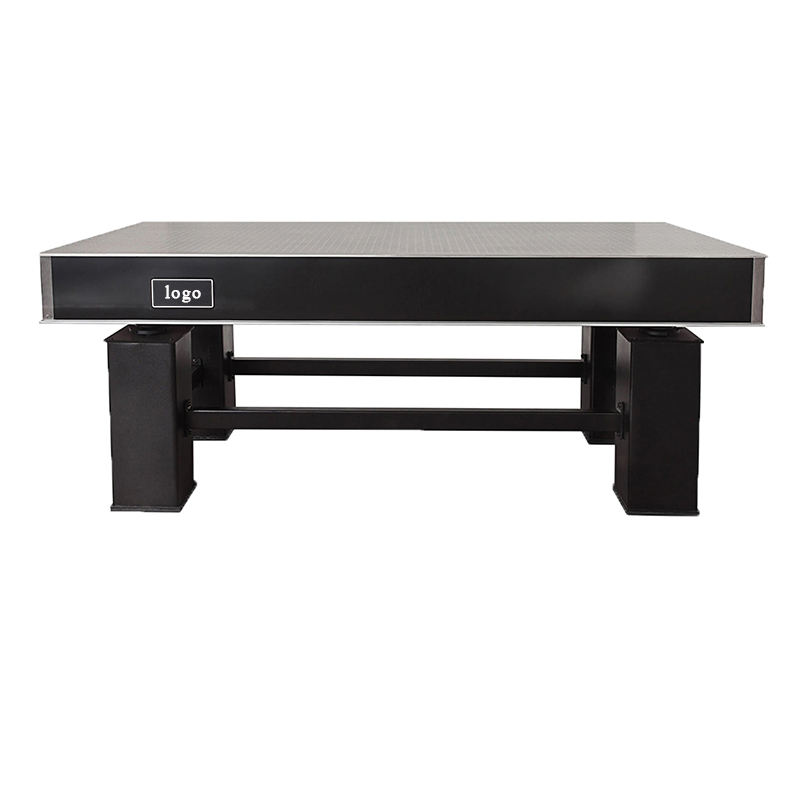
For teams comparing a welded honeycomb table and optical breadboard construction for their setup.
View product details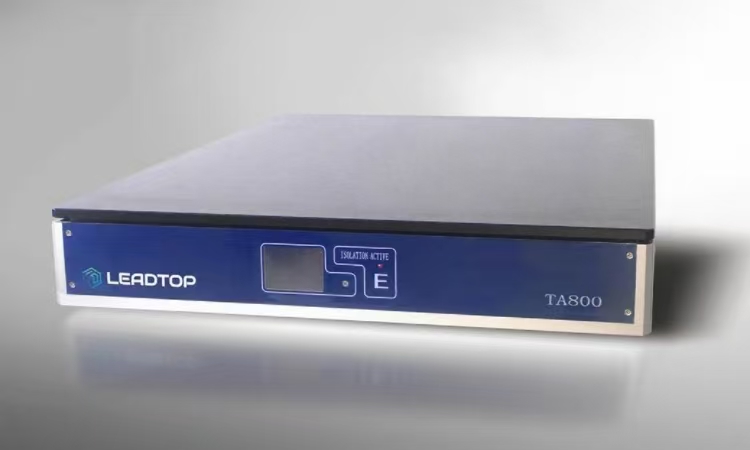
For applications that need a tabletop active vibration isolation approach rather than a full rigid table.
View product detailsTechnical reading
Read three focused articles to clarify the table's role, understand the structure and match it to the working environment.

Clarify when a stable mounting surface is the right step between an ordinary bench and a more specialized isolation system.
Read the article
Understand what the honeycomb core, rigid support, sealed surface and leveling features contribute to the working platform.
Read the article
Connect microscopy, photonics research, calibration and optical target work with the stability and layout needs of the setup.
Read the articlePractical answers
The GZT Series is designed as a stable mounting surface for optical benches, microscope stages, photonics equipment, precision measurement setups and optical target experiments.
The table combines a high-density honeycomb core with rigid steel support and a sealed top surface. Manual leveling helps align the working height, while the structure is intended to reduce surface resonance.
The listed figures include a vertical inherent frequency of 6.5–12 Hz, a horizontal inherent frequency of 3.0–8.0 Hz, approximately 82–95% vibration isolation efficiency, table flatness of ≤0.05 mm/m² and surface roughness of ≤0.8 μm.
GZT uses M6 tapped holes on a 25 mm grid and an 800 mm total table height. Confirm the required size and configuration with the sales team for the intended installation.
Yes. GZT supports manual leveling adjustment and optional castors. Discuss these choices with the supplier alongside the laboratory layout and equipment mounting plan.
Choose another product when the setup calls for a different isolation approach, a tabletop platform, solid-rubber isolation, a welded breadboard construction or active vibration control. The related products above provide those next paths.
Plan the right work surface
Share the equipment footprint, mounting pattern, desired height, movement needs and environmental conditions so the GZT configuration can be discussed around the real setup.
