Introduction
In the field of modern precision instruments and industrial equipment, vibration control has always been a key factor affecting equipment performance and service life. Rubber shock absorbers, as one of the most common vibration isolation components, are widely used in various mechanical equipment due to their excellent performance and economical cost. This article will delve into the technical principles, selection points, and application scenarios of rubber shock absorbers, helping users make wise choices.
The working principle of rubber shock absorbers
Elastic deformation absorbs energy
The core working principle of rubber shock absorbers is to utilize the elastic deformation characteristics of rubber materials to absorb and dissipate vibration energy. When the equipment generates vibration, the rubber components undergo elastic deformation, converting the kinetic energy of the vibration into thermal energy and dissipating it, thereby achieving the purpose of vibration reduction.
Damping characteristics suppress resonance
Rubber materials have natural damping properties that can effectively suppress amplitude amplification near the resonance frequency of the system. This characteristic makes rubber shock absorbers particularly effective in isolating mid to high frequency vibrations.
Comparison of main product series
POT-P Series: Composite Rubber Technology Platform
The solid rubber isolator POT-P series adopts a combined rubber structure, which effectively isolates mid to high frequency vibrations and has excellent horizontal isolation performance. This series of products has a stable structure and is easy to install. It is equipped with a lifting adjustment seat for precise leveling and can be optionally equipped with casters to adapt to different usage scenarios.
Technical performance indicators:
Vertical natural frequency: 6.5-12Hz
Horizontal natural frequency: 3-8Hz
Damping ratio: 0.05-0.2
Load coverage: 180-800kg/piece
Recovery time:<5s
The POT-P series is suitable for fields with low vibration requirements such as microscopes and medical biology, and can meet most of the mid to high frequency isolation needs. As a professional supplier of vibration isolation optical platforms and accessory products, LeadTop's POT-P series products enjoy a good reputation in the market.

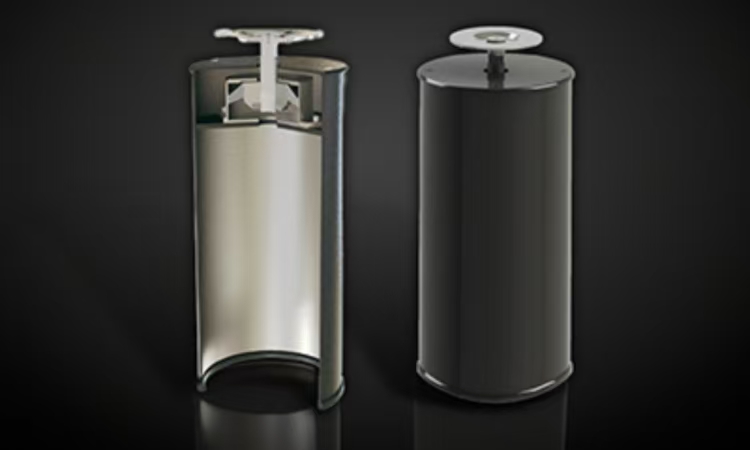
POT-G series: Hollow cone rubber structure
The hollow cone rubber isolator POT-G series adopts high-tech rubber formula and special structural design, effectively isolating mid to high frequency vibrations. This series has the characteristics of high damping and short recovery period, which can significantly reduce the risk of resonance.
Technical performance indicators:
Vertical natural frequency: 4-8Hz
Horizontal natural frequency: 4-8Hz
Load coverage: 50-700kg
Structural features: Hollow cone design
The POT-G series is suitable for fields with high vibration requirements such as microscopes and optical manufacturing, and its excellent performance indicators can meet the vibration isolation needs of precision equipment.
Key factors for selection
Load matching
When choosing a rubber shock absorber, the first thing to consider is the total weight of the equipment and the number of support points. Ensure that the load-bearing capacity of each shock absorber is within the recommended range to avoid overloading or underloading affecting the isolation effect.
Frequency matching
Understand the main vibration frequencies of the equipment and select rubber shock absorbers with appropriate natural frequencies. Generally speaking, the natural frequency of shock absorbers should be much lower than the vibration frequency of the equipment in order to achieve ideal isolation effect.
environmental adaptability
Considering factors such as temperature, humidity, and corrosiveness of the usage environment, choose rubber shock absorbers made of corresponding materials. Special rubber materials that are resistant to oil, high temperature, or corrosion may be required in special environments.
Key points for installation and maintenance
Correct installation process
When installing rubber shock absorbers, it is necessary to ensure that the foundation plane is flat and that all support points are evenly stressed. Use a level to check the levelness of the platform, and make fine adjustments by adjusting the seat to ensure stable operation of the equipment.
Regular inspection and maintenance
Regularly check the aging condition of rubber components and observe whether there are cracks, deformations, and other phenomena. It is generally recommended to conduct a comprehensive inspection every 6-12 months and replace aging components in a timely manner.
Conclusion
As an important component in the field of vibration control, the selection and application of rubber shock absorbers require comprehensive consideration of multiple factors. By understanding the characteristics of different series of products and making reasonable selections based on specific application scenarios, the best vibration isolation effect can be achieved. LeadTop, as a supplier of vibration isolation optical platforms and accessory products, is committed to providing users with professional vibration isolation solutions, helping them solve vibration problems, and improving equipment performance.
Choosing and using rubber shock absorbers correctly can not only protect precision equipment and extend its service life, but also improve measurement accuracy and production efficiency, creating greater value for enterprises.


