The core principle of damping isolation
Damping isolation reduces the transmission of vibration to equipment by converting vibration energy into thermal energy or other forms of consumption through the energy dissipation mechanism of materials or structures.
The core lies in the nonlinear deformation characteristics of damping materials, such as the composite rubber structure in solid-state rubber isolators, which achieves energy attenuation through intermolecular friction and internal structural deformation. This mechanism can effectively isolate mid to high frequency vibrations and reduce the impact of equipment vibration.
The multidimensional effect of damping isolation
The role of damping isolation is reflected in three aspects: firstly, protecting precision equipment from vibration interference, such as microscopes, medical biological instruments, etc; Secondly, extending the service life of equipment and reducing structural fatigue caused by long-term vibration; Thirdly, improve operational stability, for example, in the foundation of large machines, primary isolation can be achieved by reducing the natural frequency.
LeadTop's solid rubber isolator POT-P series has a vertical natural frequency of 6.5-12Hz, a horizontal natural frequency of 3-8Hz, and a damping ratio of 0.05-0.2, which can accurately match the needs of mid to high frequency isolation.

Brand practice and product advantages of damping isolation
LeadTop, as a professional supplier of vibration isolation solutions, is renowned for its scientifically designed products. For example, the POT-X series anti creep solid rubber vibration isolation pad uses composite rubber (with added polyester fiber and graphite), divided into a mesh/solid structure, with a 1-year creep rate of only 21.5%, a 10-year extrapolation of 35.6%, and a lifespan of over 12 years.
This series can be used in multiple layers, with a vertical natural frequency as low as 6.5-16Hz and a horizontal frequency of 2-8Hz. It is suitable for isolation of large machine foundations and has stability far exceeding the industry average.
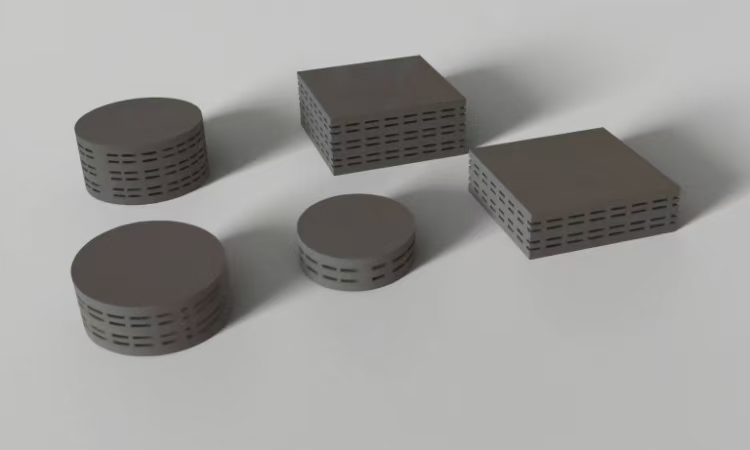
Damping isolation technology has become a key solution for precision equipment protection through principle innovation and product optimization. LeadTop focuses on scientific design and provides comprehensive vibration isolation solutions from POT-P to POT-X, helping users achieve efficient vibration control.


