Rubber vibration isolation support: the physical barrier of the vibration reduction core
Rubber isolation bearings absorb mechanical vibration energy through elastic deformation, and their core function is to block the transmission path of vibration. The multi-layer composite rubber structure (such as butyl rubber inner layer+natural rubber outer layer) converts high-frequency vibration into heat energy dissipation through alternating compression and rebound, while the metal skeleton provides rigid support to ensure equipment stability.
LeadTop's variable damping isolation foot base ZDT-J series adopts a variable damping design, with an external regulator that can dynamically match different load requirements, achieving dual protection of vibration isolation and equipment safety.
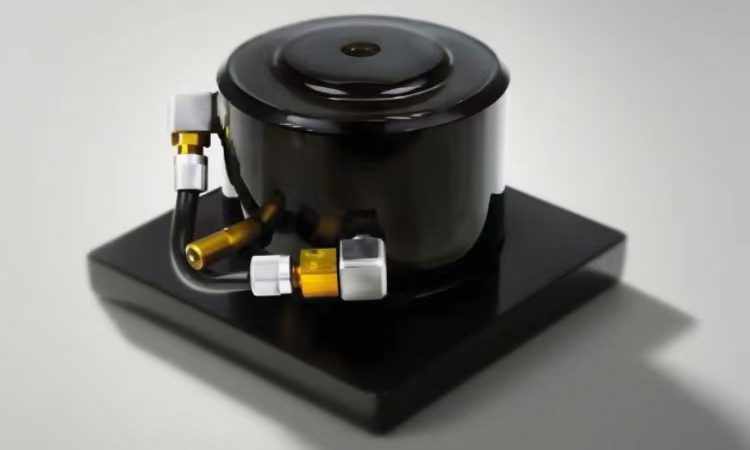
Adaptation scenario of rubber vibration isolation support: vibration guardian of high-precision equipment
In laser optics, lithography machines, and other scenarios, micrometer level vibrations can cause system failure. Rubber isolation bearings are designed with a low natural frequency of 4.5-7Hz to isolate environmental vibration frequencies (typically 10-100Hz) from the outside.
The LeadTop product's dual chamber structure precisely adjusts damping force through damping holes, with a variable damping ratio of 0.05-0.3 that can adapt to a wide range of loads ranging from 20-950kg/unit. The anti slip bottom plate design also supports rapid deployment, achieving millimeter level positioning accuracy without anchoring.
Long term performance of rubber isolation bearings: a dual breakthrough in fatigue resistance and airtightness
Traditional rubber bearings are prone to performance degradation due to oxidation or fatigue, while multi-layer composite structures enhance air tightness through butyl rubber inner layers and tear resistance through natural rubber outer layers, extending the lifespan of the ZDT-J series to over 10 years.
LeadTop laboratory data shows that its products have a damping coefficient attenuation rate of less than 5% per year in continuous vibration testing, far exceeding industry standards, providing a durable and reliable vibration control solution for fields such as semiconductor manufacturing and precision measurement.
Rubber isolation bearings have achieved full frequency coverage from high-frequency vibration filtering to low-frequency resonance suppression through material innovation and structural design. LeadTop's ZDT-J series, with patented technologies such as variable damping adjustment and dual chamber damping control, has become a benchmark product for vibration control in high-precision scenarios, providing protection for precision manufacturing in the Industry 4.0 era.


