A breadboard is a reusable platform for constructing electronic circuits without soldering. Its grid of interconnected holes allows rapid component testing and modification. While ideal for basic prototyping, precision applications demand stability—here, vibration isolation techniques play a critical role. This guide explains breadboard fundamentals and how to integrate vibration control for reliable results.
Breadboards consist of two power rails (top/bottom) and a central terminal grid. Components like resistors or ICs are inserted into the grid, where metal clips create temporary electrical connections. Lead-free designs ensure safety, while modular layouts support complex circuit designs.
Power Setup: Link rails to a benchtop supply using jumper wires.
Component Placement: Insert sensors or transistors into the grid, aligning legs in shared rows for connectivity.
Signal Testing: Use oscilloscopes to verify outputs. For noise-sensitive projects (e.g., audio amplifiers), isolate the breadboard from table vibrations using foam pads or dedicated vibration-resistant workstations.
Loose Connections: Ensure components press firmly into clips.
Cross-Talk: Separate high-frequency and low-frequency circuits using breadboard dividers.
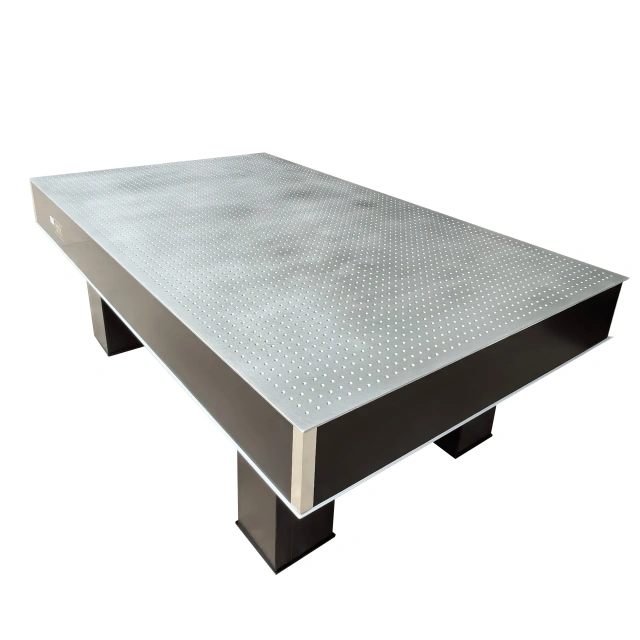
Environmental Noise: Ground the breadboard and use shielded cables. For ultra-precision tasks, mount it on LeadTop’s low-profile vibration isolation platforms.
Multi-Layer Circuits: Stack breadboards vertically, connecting layers with bus wires.
Microcontroller Integration: Link Arduino pins to the grid for automated testing.
Vibration Mitigation: Combine breadboard trays with air-spring bases to dampen floor vibrations in industrial settings.
Clean breadboards monthly with compressed air to remove debris. Store unused components in labeled containers to avoid loss. For long-term projects, pair breadboards with vibration-damped surfaces—such as LeadTop’s engineered stone workstations—to maintain signal integrity during extended use.
Breadboards accelerate electronic prototyping but require stability for precision tasks. By understanding grid connectivity, addressing common pitfalls, and integrating vibration isolation techniques, users can achieve reliable results. LeadTop’s modular accessories—from foam pads to active damping platforms—complement breadboards, ensuring accuracy in research and development.


