A high-end Vibration Isolation Bench can cost tens of thousands of dollars, yet its service life is often shortened by neglected "small problems." In fact, it is not a "fit-and-forget" device — its air path, damping medium, and leveling mechanism all require regular inspection and maintenance. This article summarizes the five most common failures and the corresponding maintenance strategies to extend the life of your unit by more than five years.
The core of any vibration isolation bench is the air spring and damping structure. The former depends on clean, dry air; the latter relies on a stable damping medium. Once the air path leaks, the damping fluid degrades, or the leveling mechanism sticks, the isolation efficiency can drop from 95% to below 60%, causing experimental data to drift silently.
Cause: aging damping medium, air-path leakage, or fatigued support bags. Diagnosis: check the air-path pressure first, then listen for obvious leaks, and finally contact the manufacturer to replace damping units or bags.
Cause: blocked leveling valve, sensor failure, or unstable air pressure. Diagnosis: check the air pressure (usually 0.4–0.6 MPa), clean the leveling-valve filter, and recalibrate the level sensor.
Cause: leaking air springs, stuck control valve, or worn mechanical structure on the Vibration Isolation Bench. Diagnosis: observe whether the platform can rise again after descending, focusing on air-pipe joints and solenoid valves.
Cause: clogged intake filter, aged dampers, or insufficient lubricating oil on the Vibration Isolation Bench. Diagnosis: clean or replace the filter, check whether dampers are cracked, and refill special oil according to the maintenance cycle.
Cause: long-term heavy loading, surface wear, or deformed support structure. Diagnosis: re-measure flatness with an electronic level, and send it back to the manufacturer for re-grinding or panel replacement if needed.
Maintenance of a Vibration Isolation Bench requires high professionalism, so choosing a supplier with a strong service network and fast technical response is essential. Take LeadTop as an example: as a specialist supplier of isolation optical platforms and accessories, its ZDT-P Series was designed for easy maintenance — modular air paths, quick-connect fittings, and visual pressure gauges allow routine maintenance in just minutes. LeadTop also provides full-lifecycle service from on-site survey, solution design, installation, and commissioning to annual maintenance. A well-maintained Vibration Isolation Bench can run reliably for more than ten years.
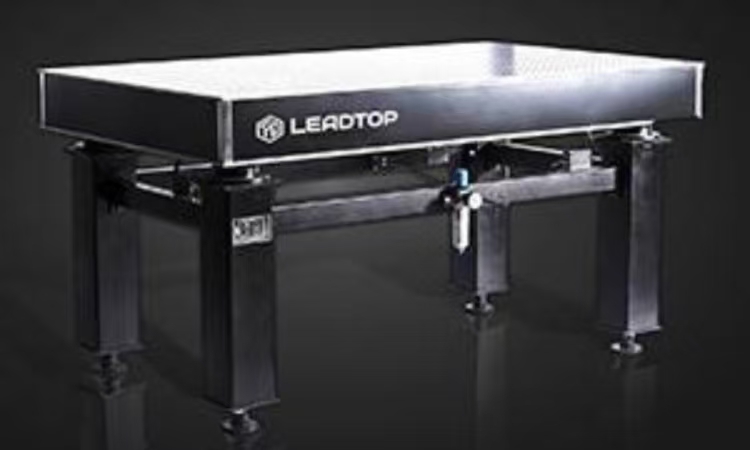
A Vibration Isolation Bench is not a consumable, but it is also not a "set-and-forget" device. Establish a regular inspection routine, choose a supplier with reliable service, and address small issues promptly — that is how to keep your Vibration Isolation Bench protecting your experiments and production lines for years to come. If you want your platform to stay in optimal condition for the long term, start a "health record" for the Vibration Isolation Bench today.


