The Working Principle of Vibration Isolators—Elastic Deformation
The core principle of vibration isolators is absorbing vibrational energy through the deformation of elastic materials. When equipment vibrates, the springs or rubber within the isolator compress or stretch, converting kinetic energy into elastic potential energy.
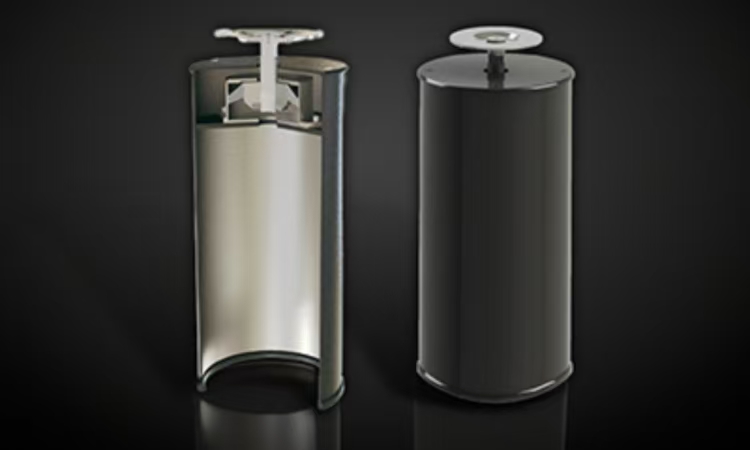
For example, LeadTop's POT-G Series Hollow Cone Rubber Isolators utilize high-damping rubber and a conical structure design. Their elastic recovery cycle is 30% shorter than traditional rubber, effectively suppressing mid-to-high frequency vibration rebound and significantly reducing equipment resonance risks.
Working Principle of Vibration Isolators—Damping Dissipation
Damping is the critical mechanism for isolators to suppress vibration. Through internal material friction or viscous fluid action, elastic potential energy is converted into dissipated thermal energy. LeadTop's POT-G Series rubber isolators achieve a damping coefficient of 0.15-0.25, enabling faster vibration energy decay compared to standard rubber isolators (damping 0.05-0.1).
Working Principle of Vibration Isolators—Frequency Matching
The natural frequency of isolators must be offset from equipment vibration frequencies to prevent resonance amplification. LeadTop's ZDT-B series pendulum-type air-bearing isolators optimize horizontal natural frequencies to 1.0–1.5Hz and vertical frequencies to 1.0–2.0Hz via pendulum principles, creating a safety margin against common equipment vibration frequencies (above 5Hz).
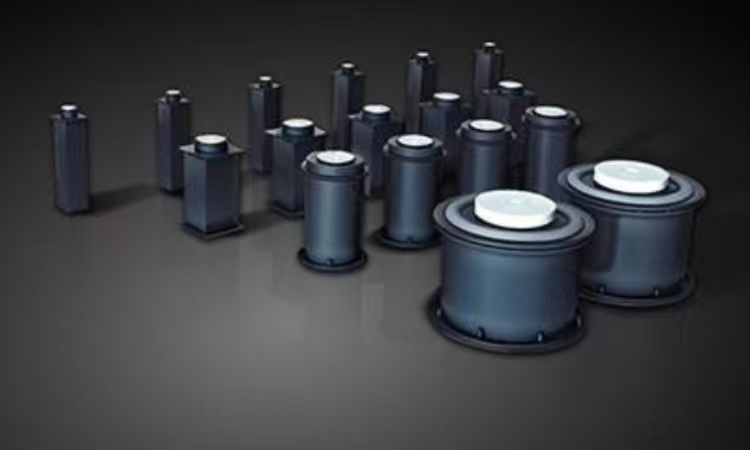
The core operating principle of vibration isolators is a triad of “energy conversion-damping dissipation-frequency matching.” From LeadTop's rubber isolators to air-bearing isolators, continuous technological innovation drives enhanced isolation efficiency, providing reliable support for precision manufacturing, scientific research, and experimental applications.


